India’s Golden Triangle — tracing a 720-kilometer loop connecting the national capital of Delhi, the Mughal marvel of Agra, and Rajasthan’s pink-hued citadel of Jaipur — is arguably the most famous touring itinerary in the world. It packs eight centuries of dynasties, UNESCO World Heritage marvels, and breathtaking handicrafts into a convenient, road-accessible circuit.
What is India’s Golden Triangle?
Named for the triangular geographical shape formed on a map by Delhi, Uttar Pradesh, and Rajasthan, this circuit offers visitors a microcosm of North India’s greatest historical achievements. In Delhi, you encounter British imperial avenues superimposed over seven medieval Islamic sultanates. In Agra, you marvel at the architectural zenith of the Mughal Empire. In Jaipur, you witness the opulent martial chivalry and artistic genius of Rajput warrior kings.
How Long Should You Spend?
While whistle-stop travelers occasionally attempt the circuit in 3 days, the ideal duration is 4 to 6 days:
- 3 Days / 2 Nights: Fast-paced; covers primary monuments (Qutub Minar, Taj Mahal, Amber Fort) for business travelers or weekend visitors.
- 5 Days / 4 Nights: The sweet spot. Allows 1.5 days in Delhi, 1 day in Agra, and 2 days in Jaipur with time for en-route stops and leisurely dinners.
- 7 Days / 6 Nights: Comprehensive; incorporates offbeat detours such as birdwatching at Keoladeo Bharatpur, a tiger safari in Ranthambore, or the sacred ghats of Pushkar.
Leg 1: Imperial & Medieval Delhi
Start your journey by soaking in Delhi's captivating dual character:
- Old Delhi (Shahjahanabad): Step into the 17th century at Jama Masjid, explore the sandstone ramparts of the Red Fort, and take a cycle rickshaw ride through the narrow, fragrant alleys of Khari Baoli, Asia's largest spice bazaar.
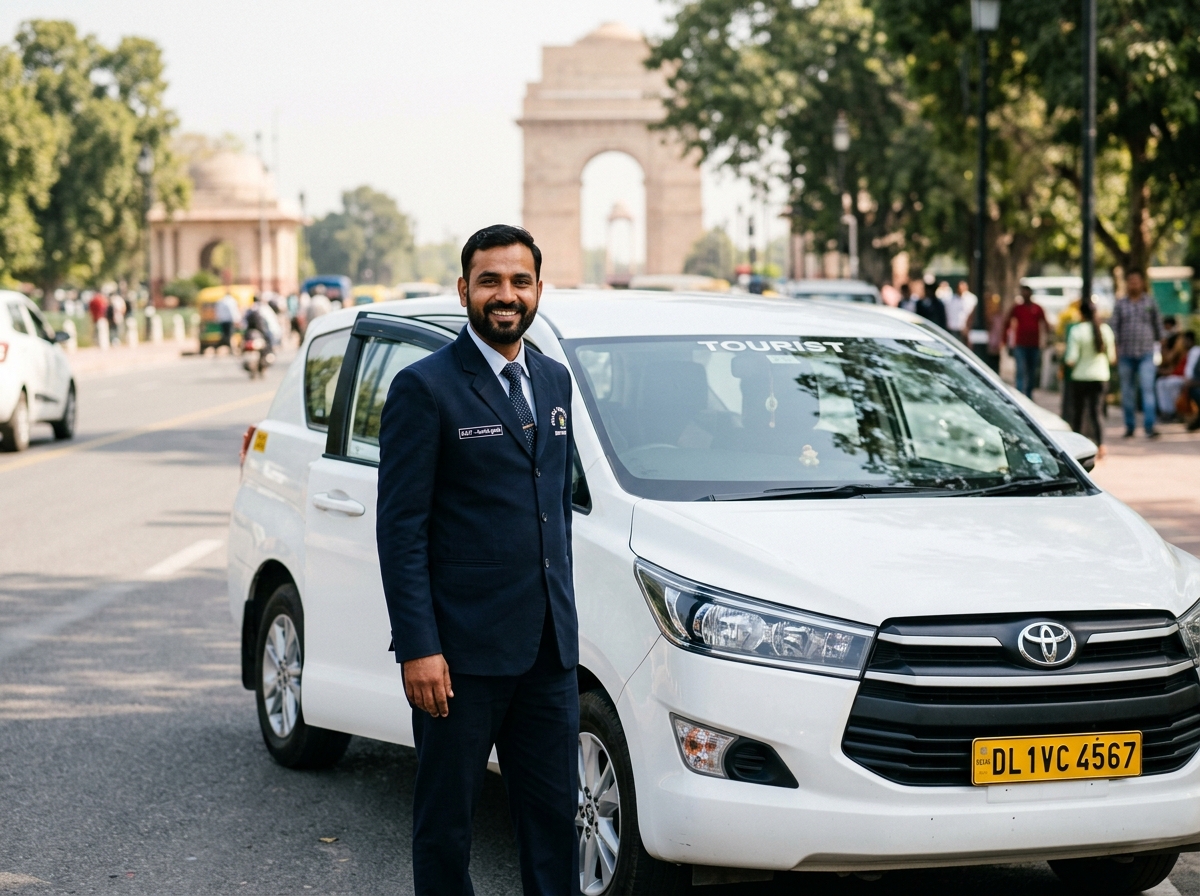
- New Delhi (Lutyens’ Delhi): Drive down the grand ceremonial avenue of Kartavya Path to photograph India Gate, view the President’s House (Rashtrapati Bhavan), and visit Humayun’s Tomb — the splendid red-sandstone precursor that inspired the Taj Mahal.
- Qutub Complex: Stand beneath the soaring 73-meter minaret built in 1192 and examine the mysterious 1,600-year-old Iron Pillar that has never rusted.
Leg 2: Timeless Agra & the Taj Mahal
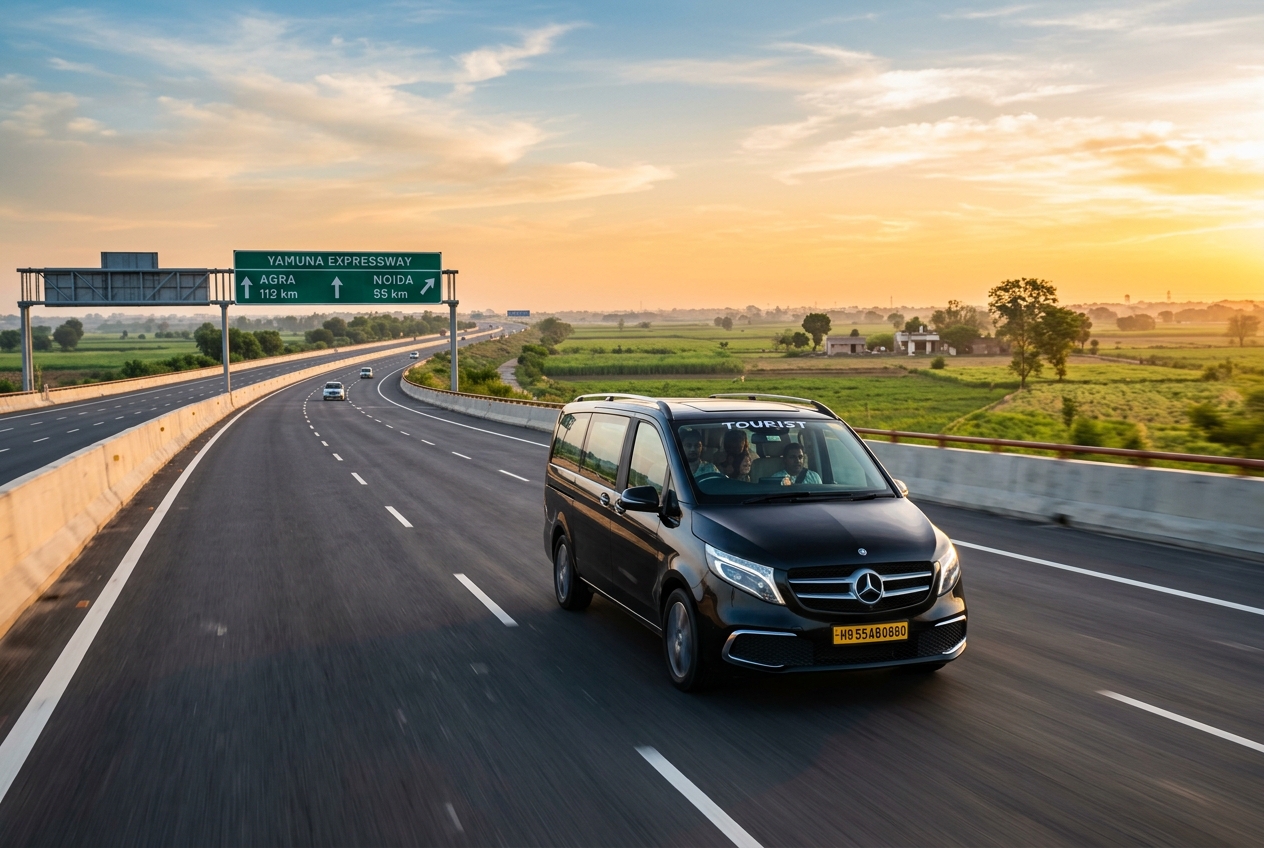
The road from Delhi to Agra is a smooth 3-hour cruise on the modern Yamuna Expressway. Agra was the capital of the Mughal Empire at its zenith under Akbar, Jahangir, and Shah Jahan.
- Taj Mahal at Sunrise: Always visit the Taj Mahal at dawn. The morning mist over the Yamuna River, the changing pink and gold hues against the white Makrana marble, and the relatively quiet courtyards create an unforgettable experience. Note: The Taj Mahal is closed on Fridays.
- Agra Fort: Often overshadowed by the Taj Mahal, this UNESCO fortress is an architectural wonder in its own right. Explore the Diwan-i-Am, the Jahangiri Mahal, and the Musamman Burj — the octagonal marble tower where Emperor Shah Jahan spent his final years gazing out across the river at the monument he built for his beloved Mumtaz.
- Mehtab Bagh: A Mughal garden complex directly across the Yamuna River, providing a magical sunset vantage point for photographing the rear reflection of the Taj Mahal away from crowds.
En-Route Treasures: Fatehpur Sikri & Abhaneri
One of the greatest advantages of traveling the Golden Triangle by private car is the freedom to stop at incredible heritage sites between Agra and Jaipur that train passengers miss completely:
- Fatehpur Sikri: Built by Emperor Akbar in 1571 as his ceremonial capital and abandoned barely 14 years later due to water scarcity, this haunting red-sandstone complex is preserved in pristine detail. Walk beneath the colossal 54-meter Buland Darwaza (Gate of Magnificence) and touch the intricately carved marble latticework at Sufi Saint Salim Chishti’s tomb.
- Chand Baori at Abhaneri: Located just off the Agra-Jaipur highway, this 9th-century stepwell is one of the deepest and most visually mesmerizing architectural feats in India. It features 3,500 precisely symmetrical narrow steps descending 13 stories into the earth.
Leg 3: The Royal Pink City Jaipur
Founded in 1727 by Maharaja Sawai Jai Singh II, Jaipur was India’s first planned city, painted terracotta pink in 1876 to welcome the Prince of Wales.
- Amber Fort (Amer Fort): Perched majestically on rugged cliffs above Maota Lake, Amber Fort showcases the finest blend of Hindu and Mughal architecture. Don't miss the dazzling Sheesh Mahal (Mirror Palace), illuminated by tens of thousands of convex mirrors that sparkle under candle flame.
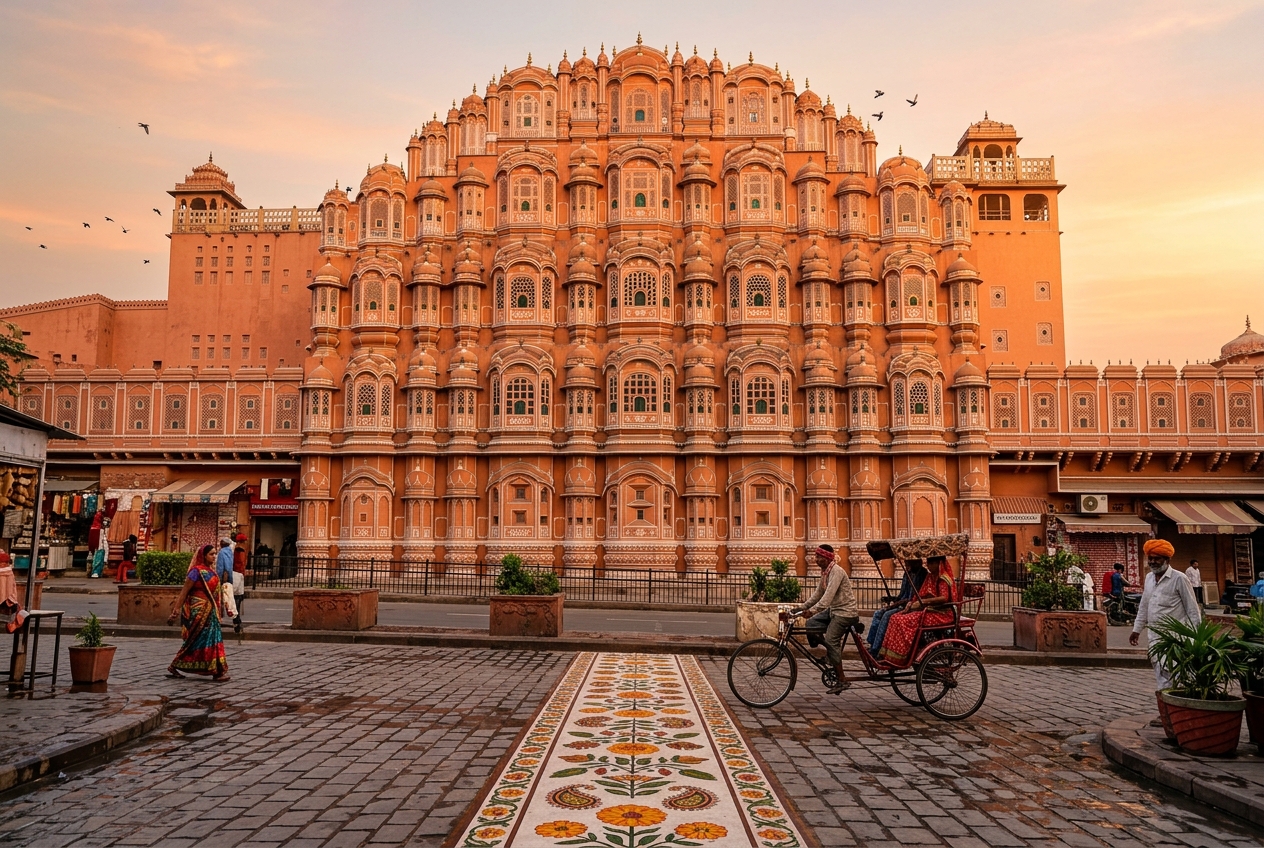
- Hawa Mahal (Palace of Winds): Built with 953 honeycombed jharokha latticed windows, allowing royal ladies of the court to observe street life below without being seen.
- City Palace & Jantar Mantar: Still the residence of the titular Maharaja, the City Palace contains royal costume museums and palatial courtyards. Next door lies Jantar Mantar, a UNESCO observatory featuring nineteen giant stone astronomical instruments that can calculate time to an accuracy of two seconds.
Chauffeur Secrets for the Golden Triangle
Having driven this route for over 25 years, here are Ajay Pal’s top personal tips:
- Avoid Friday in Agra: Because the Taj Mahal is closed on Fridays for prayers, plan your dates so you arrive in Agra on any other day of the week.
- Pre-Book Official E-Tickets: Monument lines can be long. Your driver can assist you in booking official Archaeological Survey of India (ASI) tickets online via QR code to skip the ticket queue completely.
- Beware of Touts: Outside major monuments, unlicensed guides and pushy souvenir hawkers can be persistent. A simple firm "No, thank you" and sticking with your driver ensures a hassle-free visit.