Because of India's vast geography, timing your visit properly makes the difference between strolling comfortably through royal courtyards under mild 24°C winter sunshine and sweating through 43°C summer heat. Here is a month-by-month climatic breakdown from our road-travel perspective.
October to March: The Golden Winter Season
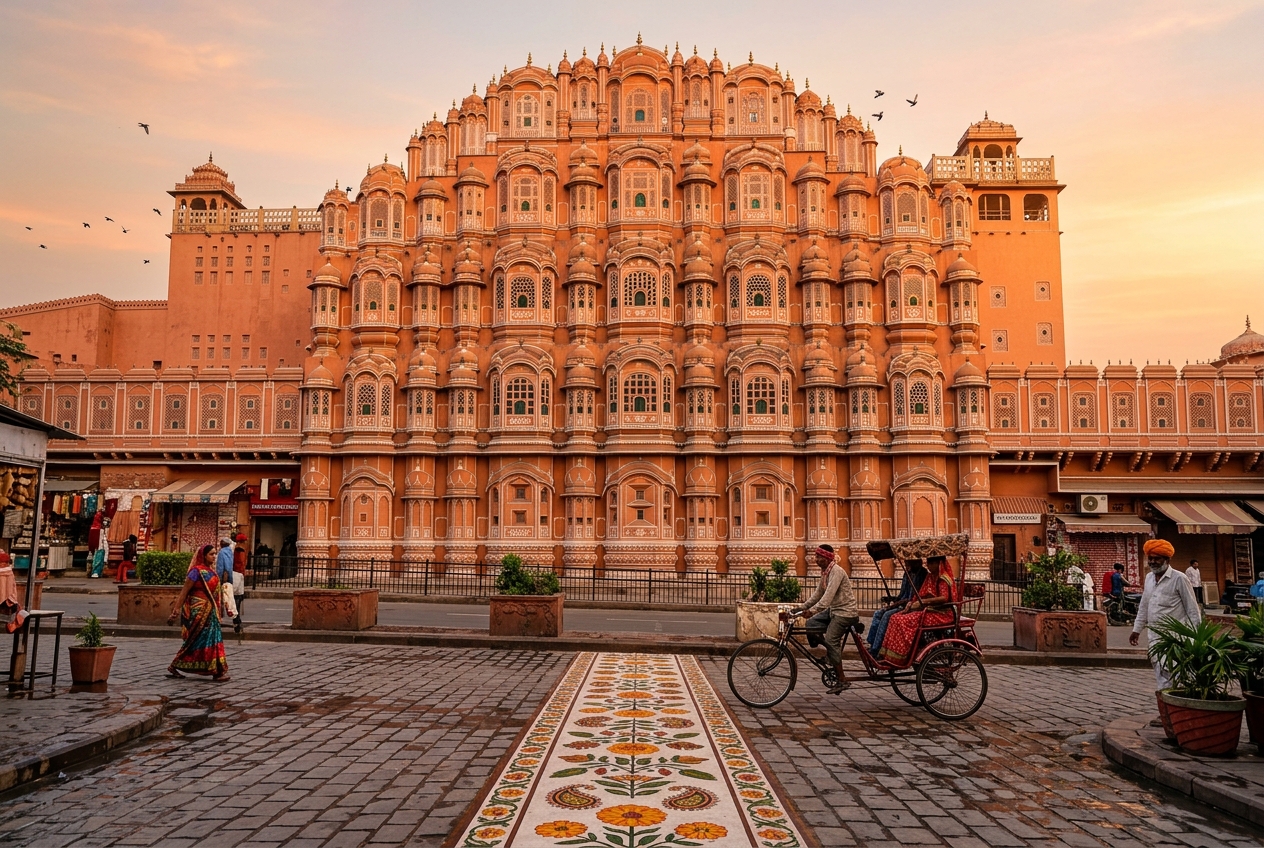
This is overwhelmingly the best time to visit Delhi, Agra, and Rajasthan. Temperatures range from 15°C to 28°C, skies are predominantly clear blue, and walking through sprawling monuments is a delight.
- October & November: Mild weather, post-monsoon freshness, and festival vibrancy (Diwali).
- December & January: Peak tourist season. Days are crisp (18°C–22°C), while nights can drop to 6°C in Delhi and the Thar desert. Note: Morning fog can occasionally occur on expressways in late December and early January, which our chauffeurs navigate with extra care.
- February & March: Pleasant spring warmth, blooming gardens, and the colorful festival of Holi.
April to June: Summer & Himalayan Retreats
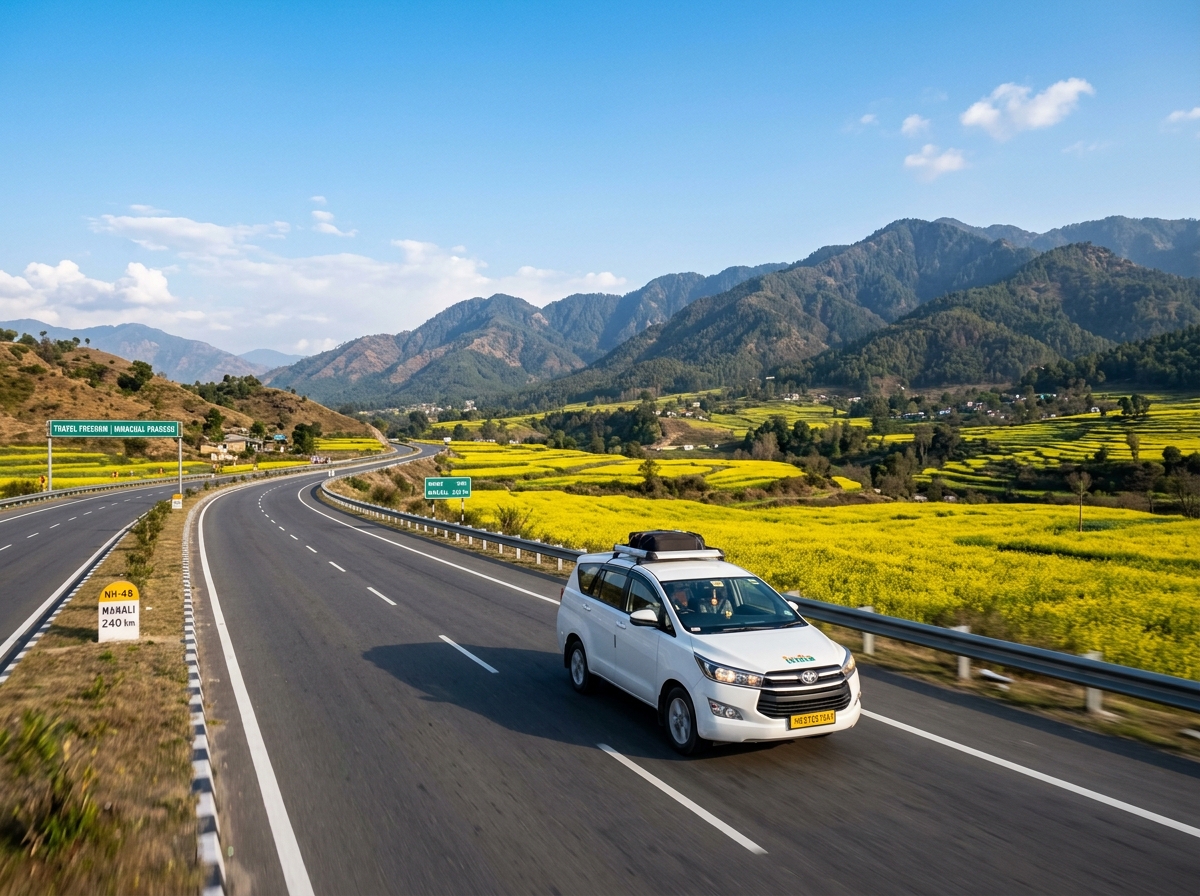
From mid-April onward, the northern plains heat up rapidly. Temperatures in Delhi and Rajasthan regularly exceed 40°C by midday. If you travel during these months, our recommendation is either to visit monuments exclusively during the early morning hours (06:00 AM to 09:30 AM) or head north into the cool pine forests of Himachal Pradesh (Shimla, Manali, Dharamshala) or Uttarakhand.
July to September: Monsoon & Lush Landscapes
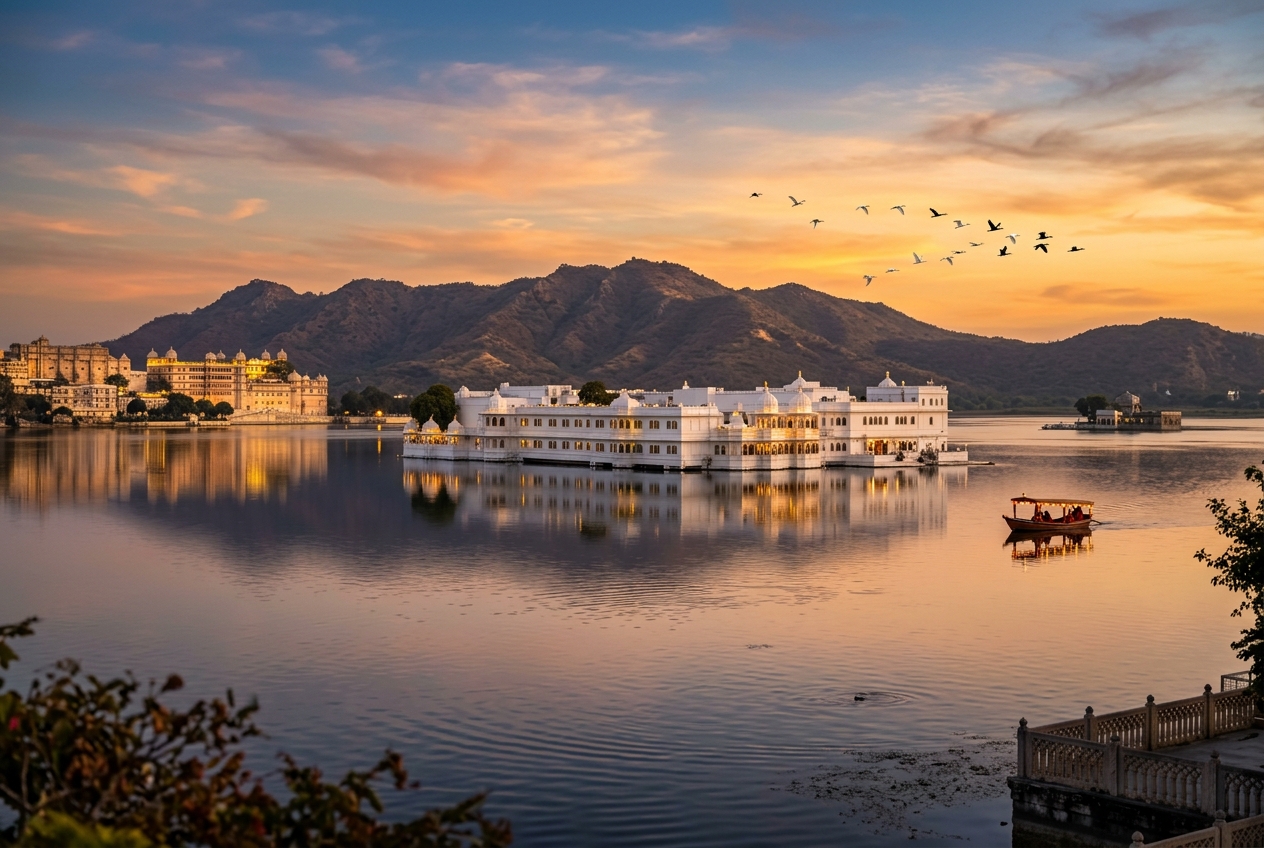
The monsoon brings nourishing rains across India. While humidity is high and occasional heavy downpours can slow highway speeds, Rajasthan takes on an ethereal emerald beauty — particularly Udaipur, where the lakes fill to capacity and peacock calls echo across palace gardens.